Every Child Learns Differently: Understanding Learning Styles Simply
What They Are, Why They Matter, & How to Support Your Child
The Learning Foundations Series | Part 2
In the last post of The Learning Foundations Series, we talked about what creates passionate, lifelong learners. Today we’re building on that by looking at how your child naturally takes in information, because learning sticks better when it matches their wiring.
In this series:
The Secret to Passionate, Lifelong Learners (Learning Foundations)
Every Child Learns Differently (You are here)
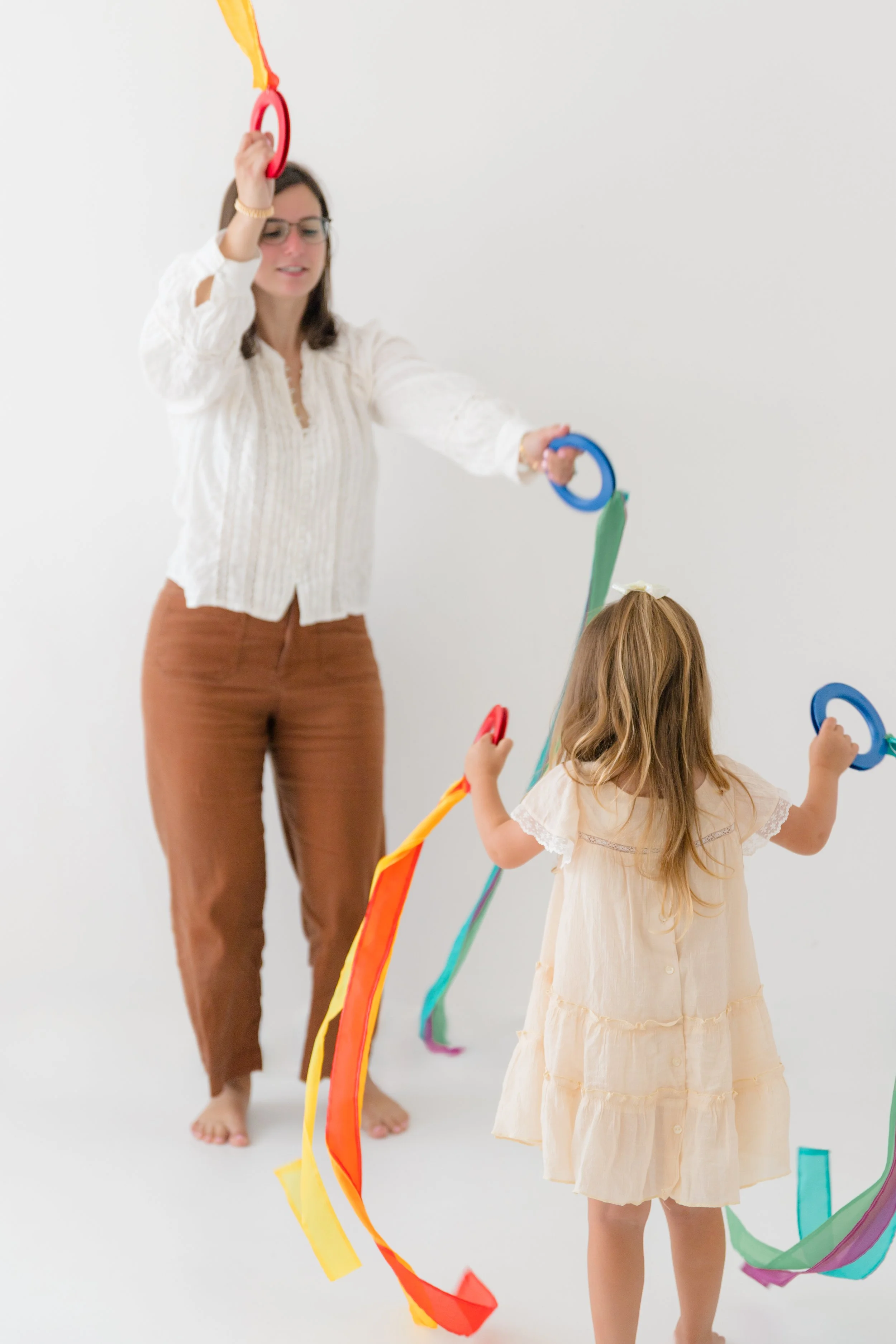
Ever set up an activity you saw online, and your child was done in twelve seconds? It’s not you. It’s not them. It’s their learning style.
Why Children Learn Differently
As humans we LOVE classifications for our personality types.
Some enjoy learning their Enneagram to have a deeper self-understanding to grow personally and improve relationships.
Companies often use Myers-Briggs Type Indicator to help identify personality types to see if they will be a good fit.
There are also the 5 love languages developed by Gary Chapman that people deeply study and resonate with to learn how they best express and receive love.
All of this simply reminds us that humans are not one-size-fits-all, and neither is the way our children learn.
What Is a Learning Style?
Just like we all communicate and socialize in different ways, we also all learn in different ways. When learning is built around the way your child naturally takes in information, the growth can be amazing.
Our learning style is one of the things that makes us uniquely us, and it deserves to be treated like a strength, not a setback. There is no race, no right timeline, and no single path here, just your child learning in the way that fits them best.
A learning style describes how young children learn and best absorb information. It doesn’t measure their intelligence or their potential. It simply helps us understand the way their brain builds knowledge.
And here’s the part every parent deserves to hear: most children are a mix of learning styles, not just one. Learning styles can shift and change as they grow. No style is better, smarter, faster, or more ‘advanced’ than another.
A child who needs movement is not behind. A child who talks everything through is not too much. And a child who needs pictures is not lazy. They are simply learning in the way that fits them.
This is where the way we guide and support our children begins to matter in deeper ways than we sometimes realize. There’s a simple story that beautifully shows what can happen when effort and ability get misunderstood for too long.
New here? Start from the beginning → The Secret to Passionate, Lifelong Learners
A Story About Belief and Learning
There’s a simple story that’s often shared about a little fish in a tank. A clear wall was placed down the middle, and on the other side was the food. The fish tried again and again to swim through, bumping into the invisible barrier every time. Eventually, it stopped trying and stayed on its side of the tank.
Later, the wall was quietly removed. The path was open. Nothing was stopping the fish anymore. But the fish didn’t know that. It had learned through experience that trying didn’t work, so it never swam across.
Not because it couldn’t.
But because it believed it couldn’t.
And sometimes, when children try over and over in a way that doesn’t fit how their brain works, they can start to believe something about themselves that was never true to begin with.
When you start paying attention to these small moments, patterns begin to appear.
Real-Life Examples of Learning Styles
Kinesthetic Learner
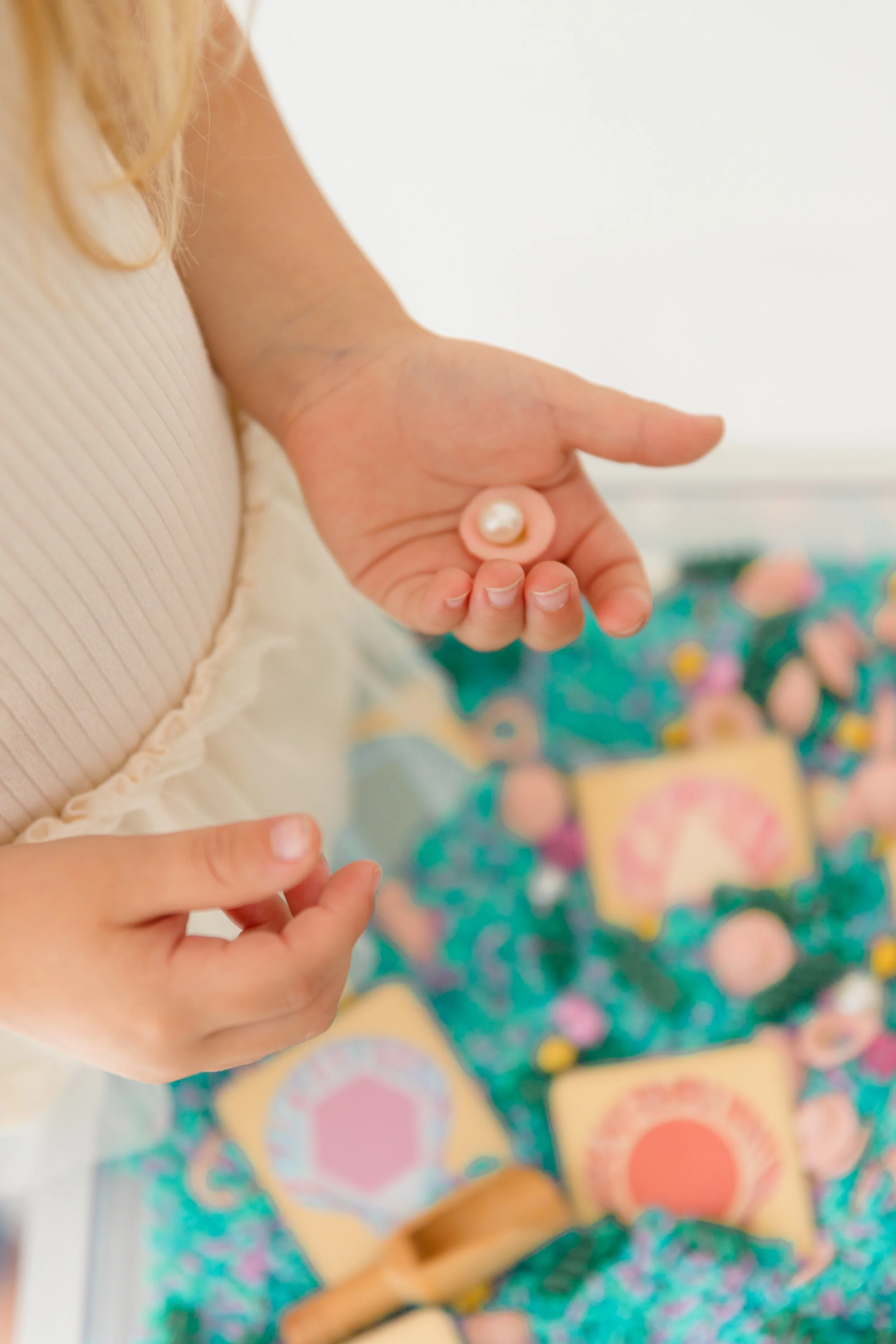
Have you ever noticed your child has a need to touch everything to understand it? That’s a child who learns best through movement and hands-on experiences.
Auditory Processor
Do you have a chatter that could quite possibly chat your ear off? If your preschooler talks through their thoughts out loud, narrates their play or repeats ideas to themselves you have an auditory learner. They learn at their absolute best through sound and words.
Visual Learner
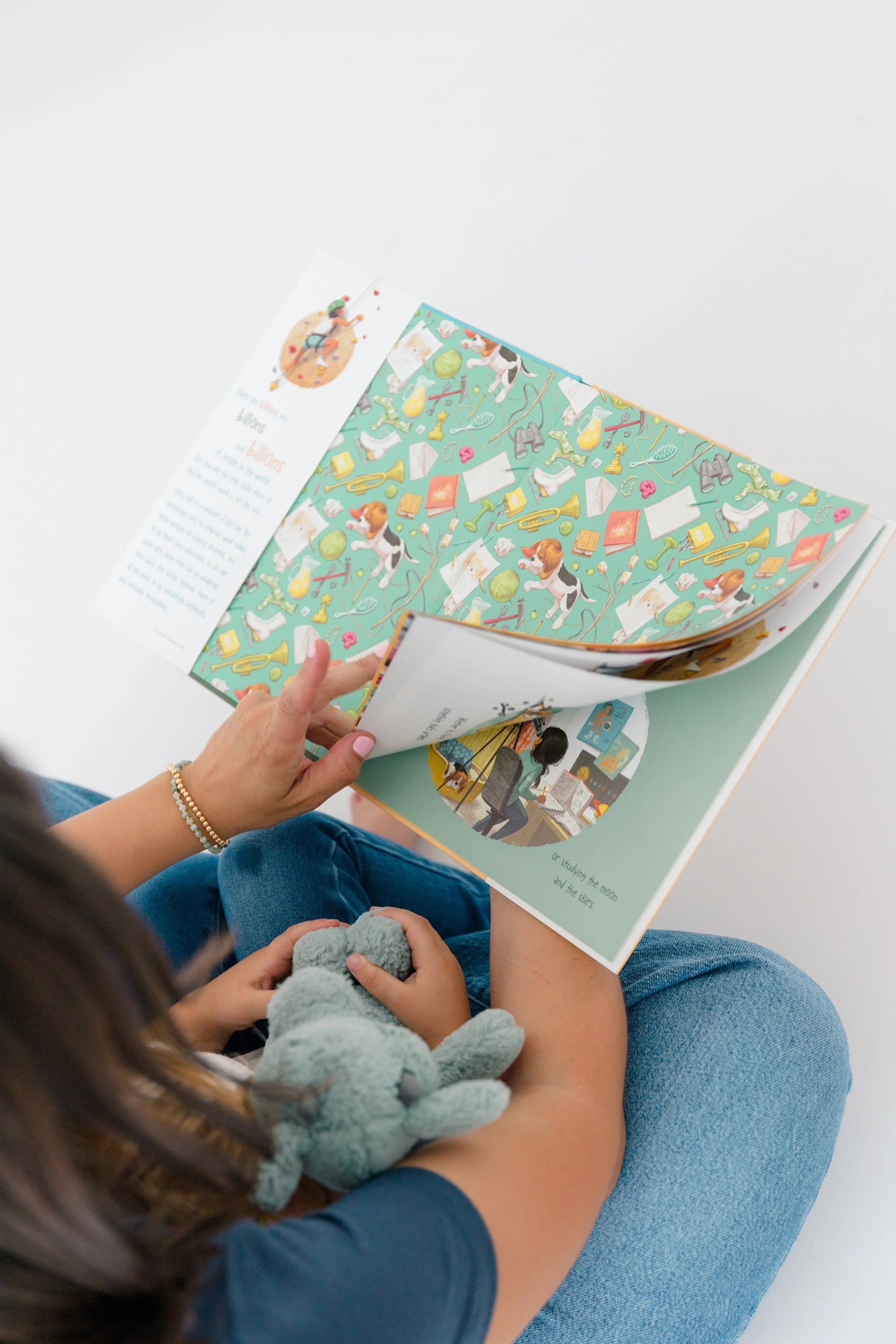
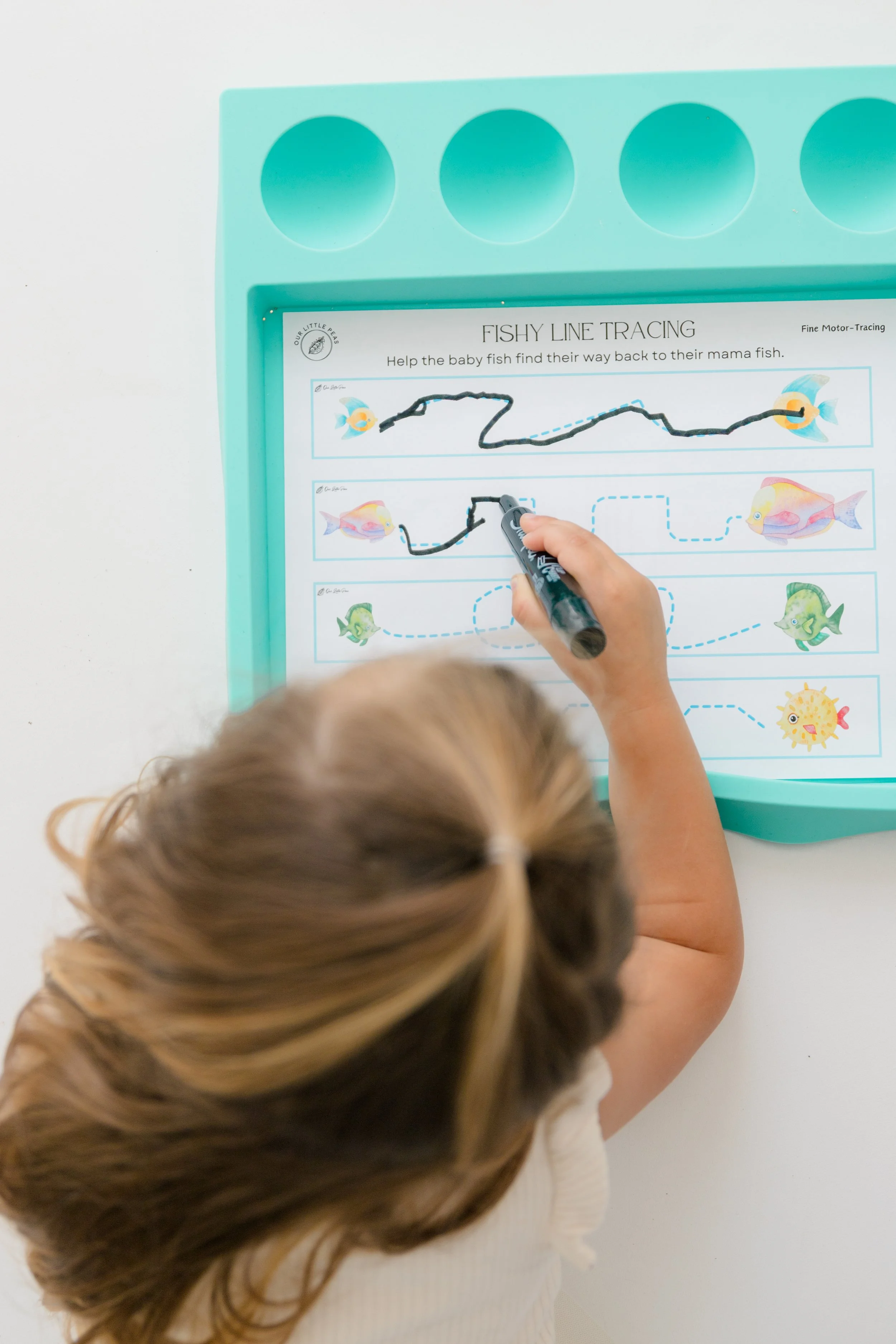
Is your child very observant and attentive to detail? They learn at their best through what they see, whether that’s by studying pictures or drawing things out to make sense to their brain and really absorb that information.
None of these styles of learning are better than another. They’re simply different, and they’re part of what makes each of us beautifully unique.
And once we really understand the way our child’s brain works, we can support them and personalize their learning in ways that help them grow in truly meaningful ways.
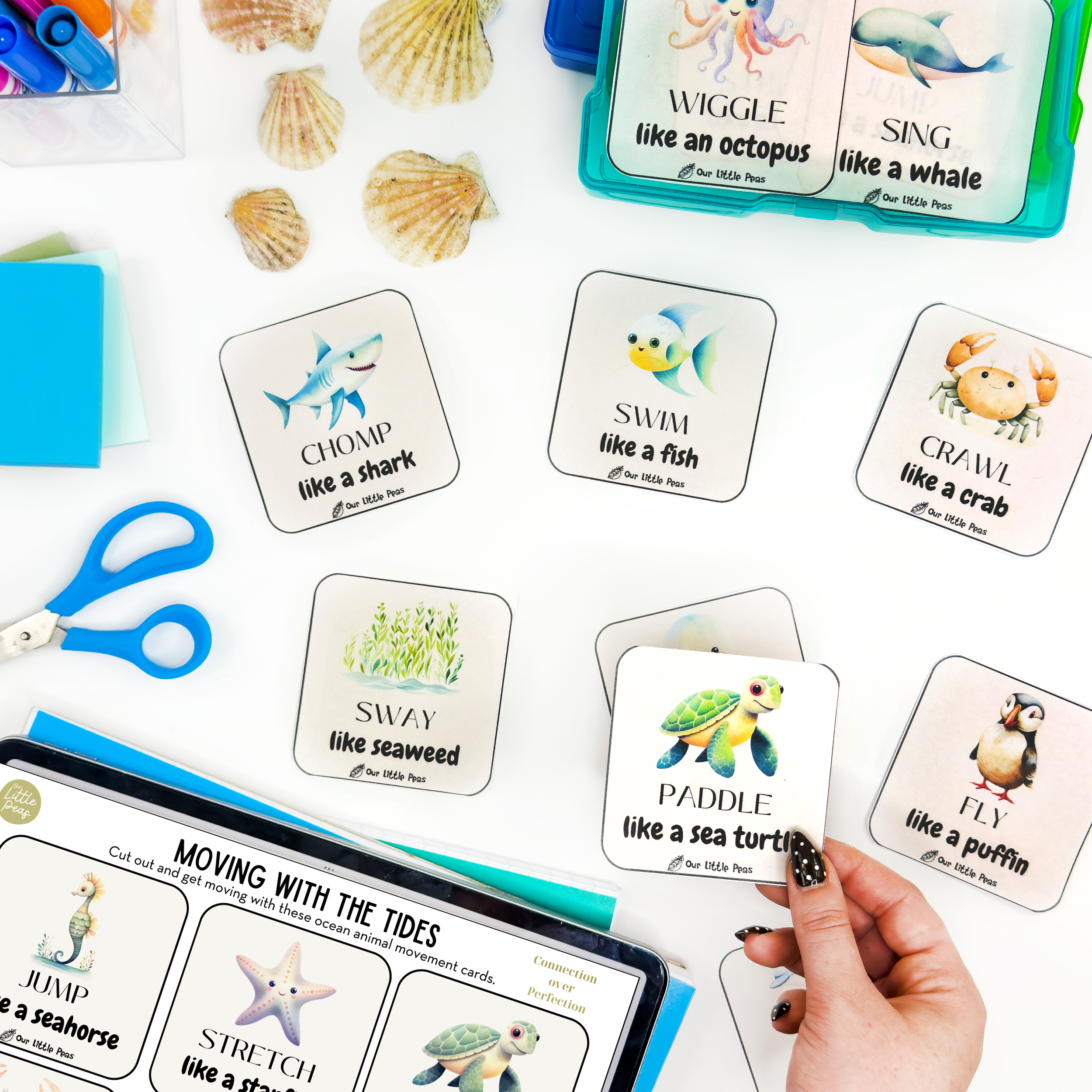
If you have a mover, shaker, climber, or jumper at home, my free Moving With the Tides ocean-themed gross motor cards are a beautiful way to channel that ENERGY into LEARNING.
These simple movement prompts help kids learn through their bodies, not in spite of them.
What If My Child Fits More Than One Learning Style?
You might already be thinking, “This is confusing, my child never stops talking but they also sketch out every idea!” And that could 100% be true.
Many children naturally blend more than one learning style, and that can actually be a HUGE benefit because it gives them more pathways and opportunities to learn.
When you can support both of their learning styles together, they’ll feel more understood, more confident and more capable as they make sense of new ideas.
Why This Matters for At-Home Learning
If you’ve ever set up an activity you saw online and your child lasted twelve seconds, it doesn’t mean you failed. It often just means the activity didn’t match the way their brain takes in information.
Knowing our child’s learning style can make activities feel so much easier for everyone. It creates an environment where both of you feel more excited, connected, and eager to learn together. When we align activities with how our child learns, we’re not just making learning easier for them, we’re creating a calmer, more connected experience for ourselves too.
As they begin learning in their own language, their confidence grows and their natural desire to keep going begins to blossom. This is where we begin planting the seeds for passionate, lifelong learners. You can explore this idea more deeply in my post on raising passionate, lifelong learners.
Some kids need to move. Some need to talk. Some need to see it. When an activity doesn’t match that need, their brain simply doesn’t latch on and that’s okay.
Understanding your child’s learning style doesn’t add extra to your plate; it actually takes things off your plate because you stop trying to force what isn’t working.
When we know how our child learns, we stop guessing and we start connecting.
How to Observe Your Child’s Learning Style
If you aren’t sure how to determine your child’s learning style, all you really need to do is observe them. Take a moment today to simply watch how your child plays.
What clues do you notice about how they learn?
movement or fidgeting
talking out loud or narrating
sketching or drawing ideas
building, tinkering, or touching everything
quietly observing details
This is why understanding how children learn matters before we ever worry about what to teach.
What Comes Next
Next in The Learning Foundations Series → Meet Them Where They Are
Once you understand how your child learns, the next step is meeting them exactly where they are developmentally. That’s what I explore in Meet Them Where They Are.